Vascular Surgery

Diagnosis and surgical treatment of diseases affecting the arteries and veins.

Department Overview

The Department of Vascular Surgery provides diagnosis and surgical treatment of diseases affecting the arteries and veins. By applying modern surgical and endovascular techniques, the department ensures safe treatment, improved circulation, and preservation of the limbs.

Diseases and Conditions

The department diagnoses and treats:

  • Peripheral arterial disease
  • Carotid artery disease and carotid artery stenosis
  • Aortic and peripheral artery aneurysms
  • Varicose veins and chronic venous insufficiency
  • Deep vein thrombosis
  • Arterial and venous thrombosis and embolism
  • Diabetic foot
  • Chronic wounds and ulcers of the lower extremities
  • Critical limb ischemia

Diagnostics and Treatments

Во одделот се применува целосен спектар на кардиохируршки процедури:

Surgical removal of plaque from the carotid arteries to prevent stroke. The procedure is often performed under local anesthesia.

Reconstruction of blood vessels in cases of stenosis, tortuosity, or aneurysm.

Bypass of narrowed or blocked arteries in the lower extremities using the patient’s own veins or vascular grafts.

Surgical removal of a thrombus or embolus in order to restore circulation.

Combined treatment aimed at preserving the limb in patients with severely impaired circulation.

Angioplasty and stenting of the abdominal and thoracic aorta (EVAR/TEVAR), using personalized stents designed according to the patient’s anatomy.

Open and endovascular procedures for aneurysms of the aorta and peripheral arteries.

Surgical and minimally invasive procedures, including stripping of the saphenous vein and excision of local varicosities.

A minimally invasive procedure performed under local anesthesia, in which the great saphenous vein is closed using radiofrequency energy, while varicose veins are additionally treated with phlebectomy. The patient is discharged the same day, usually after approximately one hour.

Debridement, ozone therapy, and postoperative care aimed at preserving the limb.

Technology and Equipment

The department is equipped with modern technology and specialized equipment that enable precise diagnostics, safe vascular interventions, and continuous monitoring throughout all stages of treatment.

  • Duplex and Doppler ultrasound
    non-invasive methods for assessing arterial and venous blood flow, detecting stenosis, thrombosis, aneurysms, and circulatory disorders. These methods provide fast and accurate vascular assessment and are an essential part of both initial and follow-up diagnostics.
  • Advanced angiography equipment
    enables detailed real-time visualization of blood vessels, which is especially important in the planning and performance of endovascular procedures. This technology provides a precise view of the location and extent of vascular damage.
  • Equipment for endovascular procedures and personalized stents
    includes catheters, guidewires, balloons, stents, and stent grafts for minimally invasive treatment of stenoses, occlusions, and aneurysms. Personalized stents enable treatment tailored to the anatomy and clinical condition of each patient.
  • Modern operating theatre with vascular surgery support
    equipped for conventional and combined vascular procedures, providing optimal conditions for complex reconstructive and bypass surgery. This ensures a high level of safety and team coordination during the intervention.
  • Intensive care with continuous monitoring
    provides postoperative monitoring of vital signs, circulation, and the patient’s overall condition, especially in more severe and complex cases. Continuous supervision enables prompt response and safe recovery after the intervention.

Specialists

Sorry, no content found.

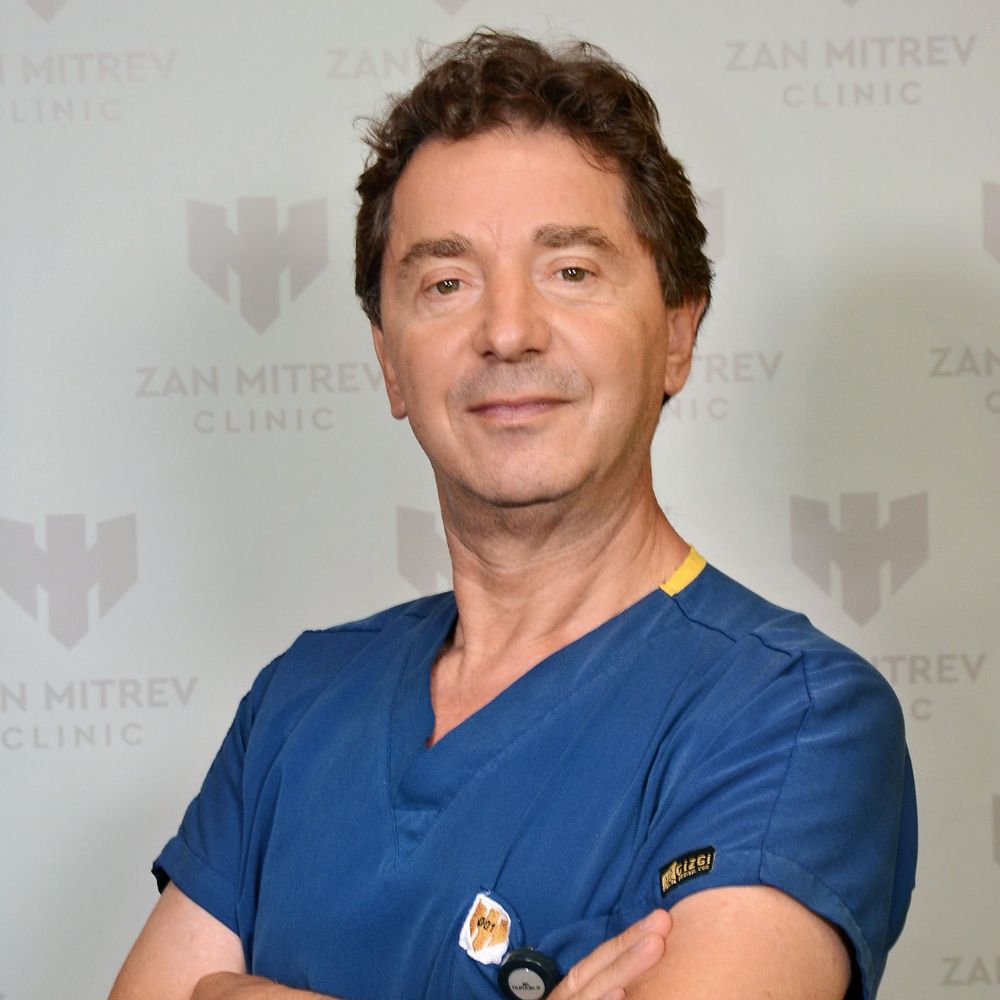
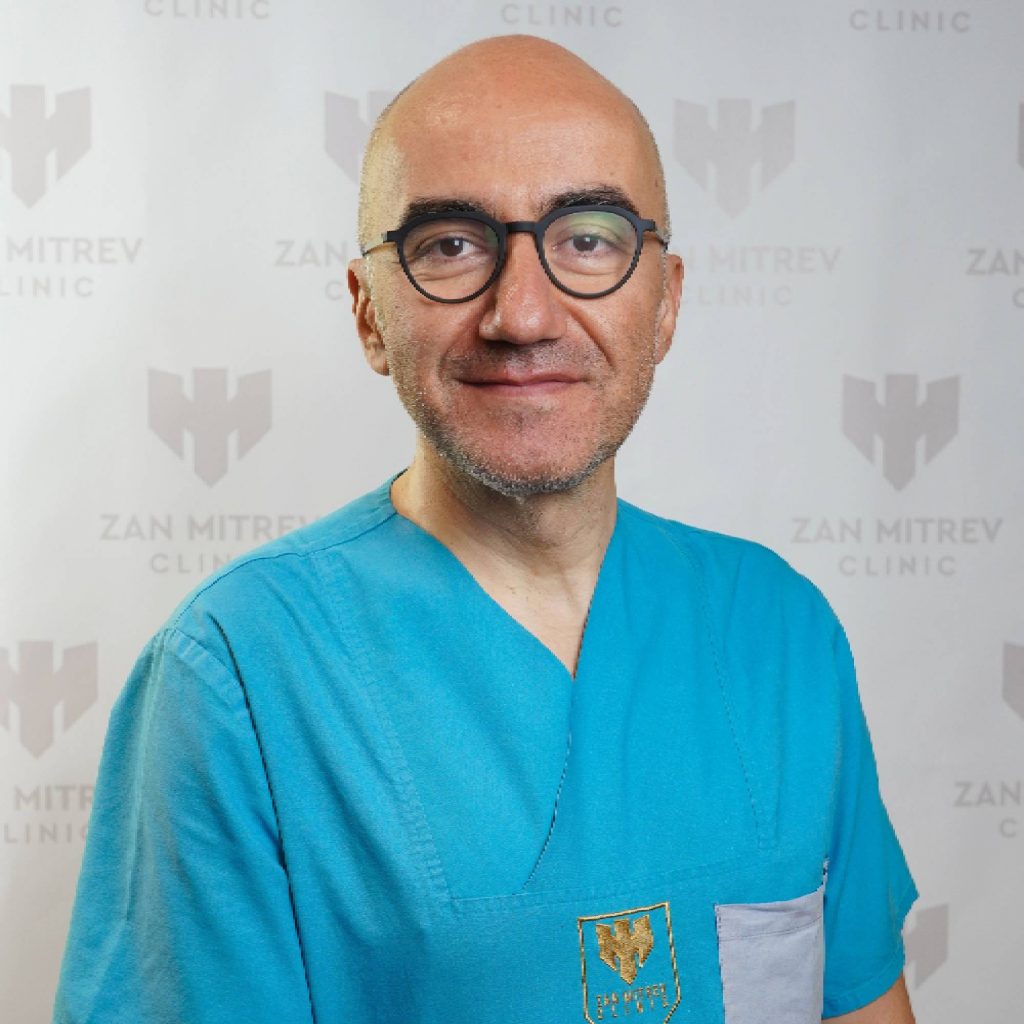
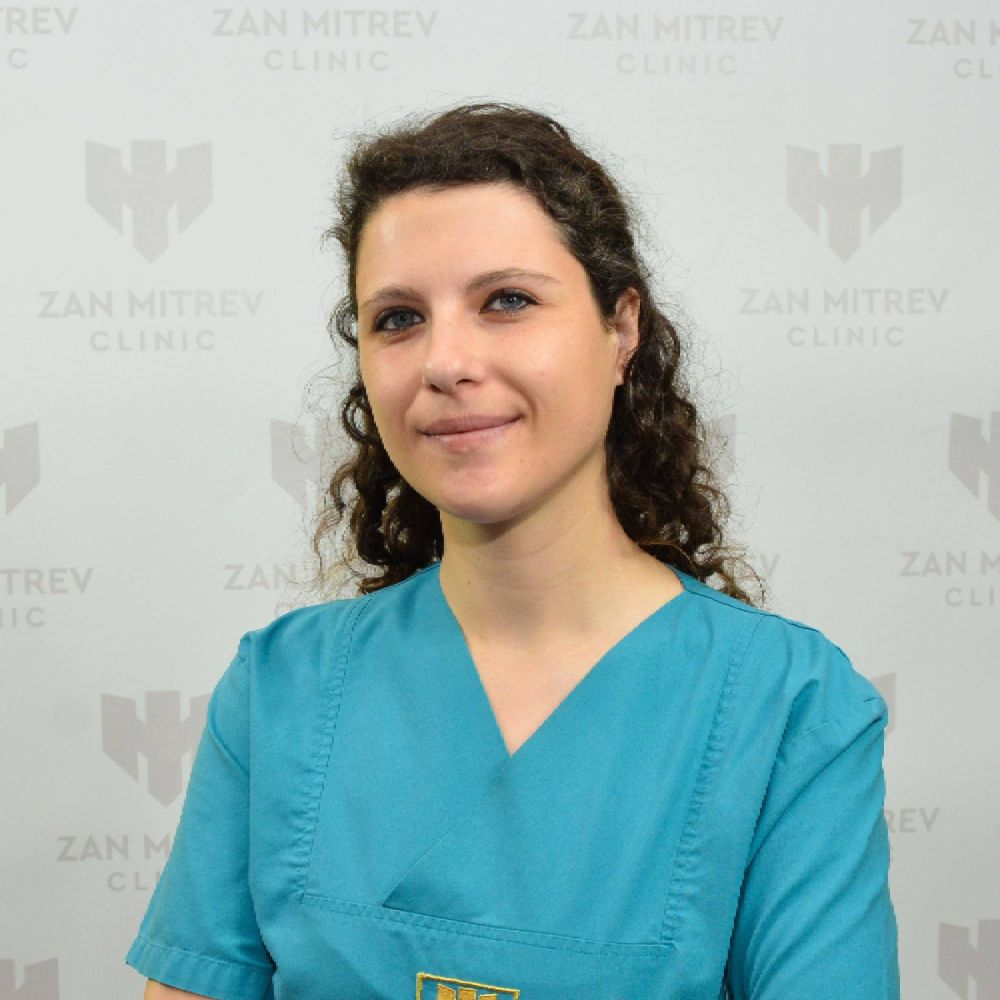
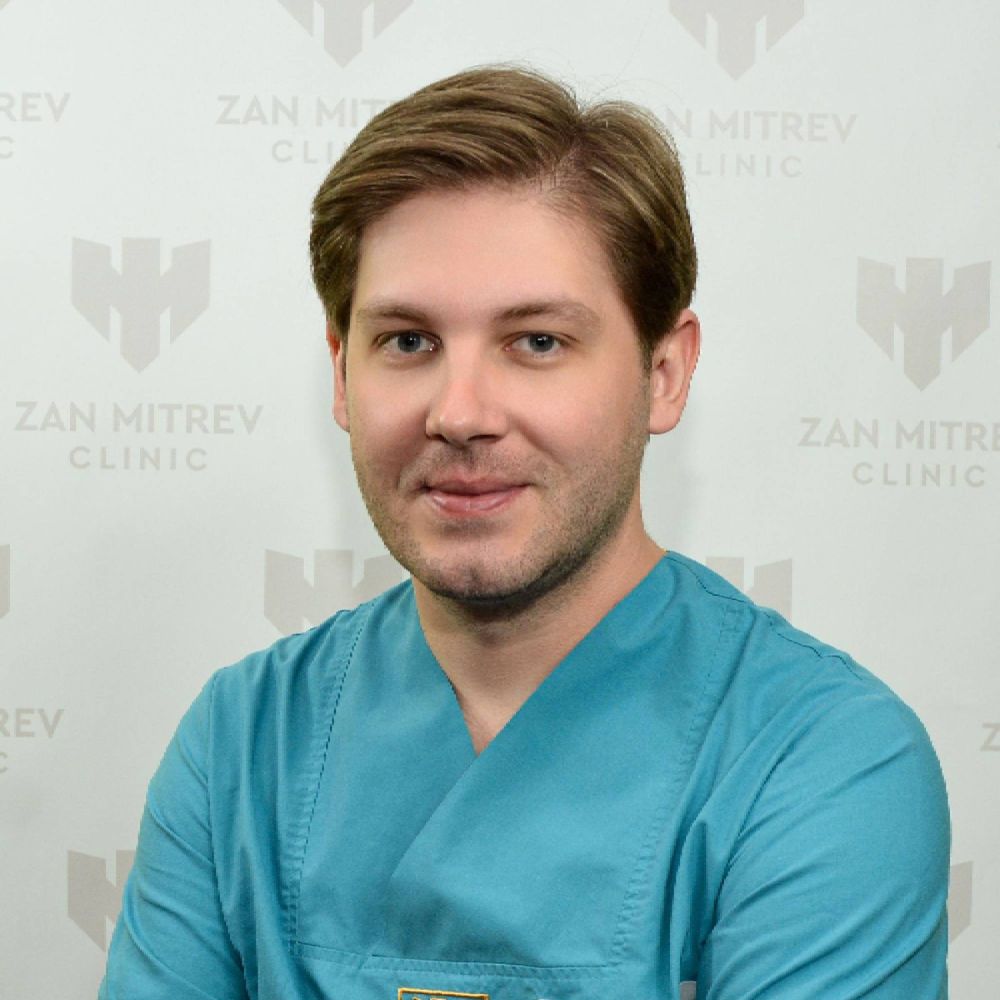
The team also includes interventional radiologists, anesthesiologists, specialized nurses, and technicians.

Patient Journey

  • Initial Consultation
    Examination by a vascular surgeon, including vascular ultrasound and Doppler assessment.
  • Detailed Diagnostics
    CT scan, carotid angiography, peripheral angiography, and phlebography, depending on the condition.
  • Heart Team Evaluation
    A multidisciplinary team determines the most appropriate treatment approach.
  • Surgical or Endovascular Treatment
    Performance of the planned procedure following preparation and discussion with the patient.
  • Postoperative Care
    Monitoring in intensive care and rehabilitation within the department.
  • Follow-Up and Rehabilitation
    Regular check-ups and long-term monitoring of circulation and vascular condition.
Мими може да ви помогне во закажувањето на Вашиот термин