Anesthesiology, Reanimation and Intensive Care
Anesthesiology support and advanced intensive care, with 24-hour monitoring and treatment for critically ill patients.
Department Overview
The Department of Anesthesiology, Reanimation and Intensive Care provides comprehensive anesthesiology support and advanced intensive care, with 24-hour monitoring and treatment for critically ill patients.
Care includes pre-intervention preparation, safe administration of anesthesia, and postoperative stabilization and recovery.
Specialists
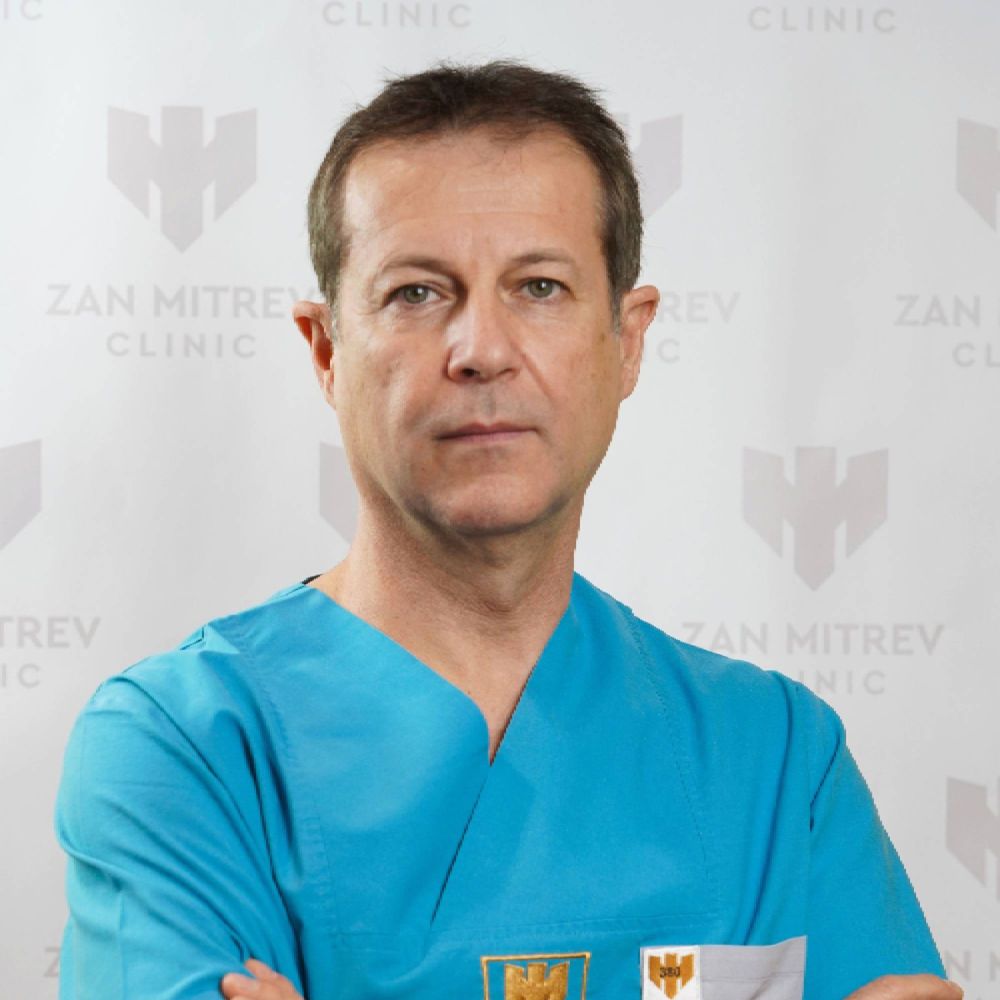
Center for Inpatient Care Anesthesia Intensive Care and Pain Management
Anesthesia Resuscitation and Intensive Care, Pain Management Center
Dr. Emil Stoicovski
Specialist in Anesthesiology and Resuscitation
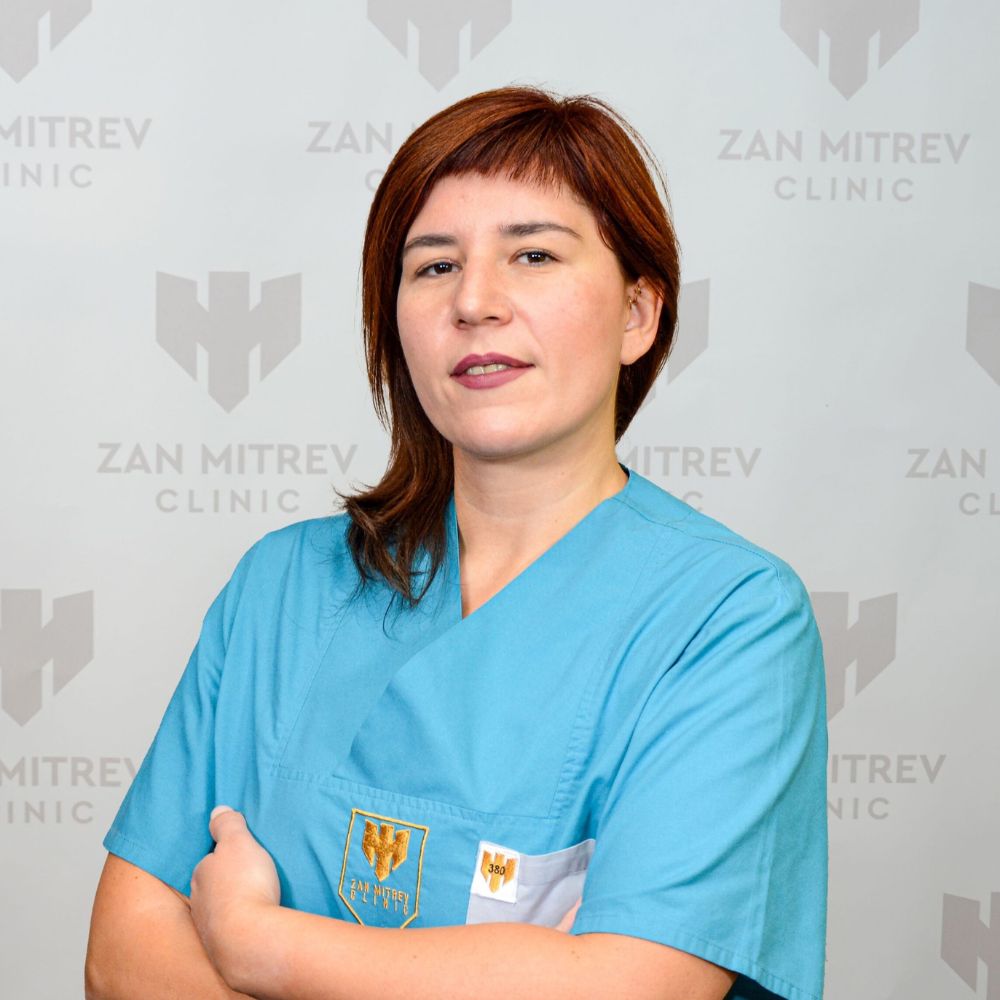
Center for Diagnostics and Laboratory Medicine, Center for Inpatient Care Anesthesia Intensive Care and Pain Management
Anesthesia Resuscitation and Intensive Care, Pain Management Center
Dr. Aleksandra Jakimovski
Specialist in Anesthesiology and Intensive Medicine
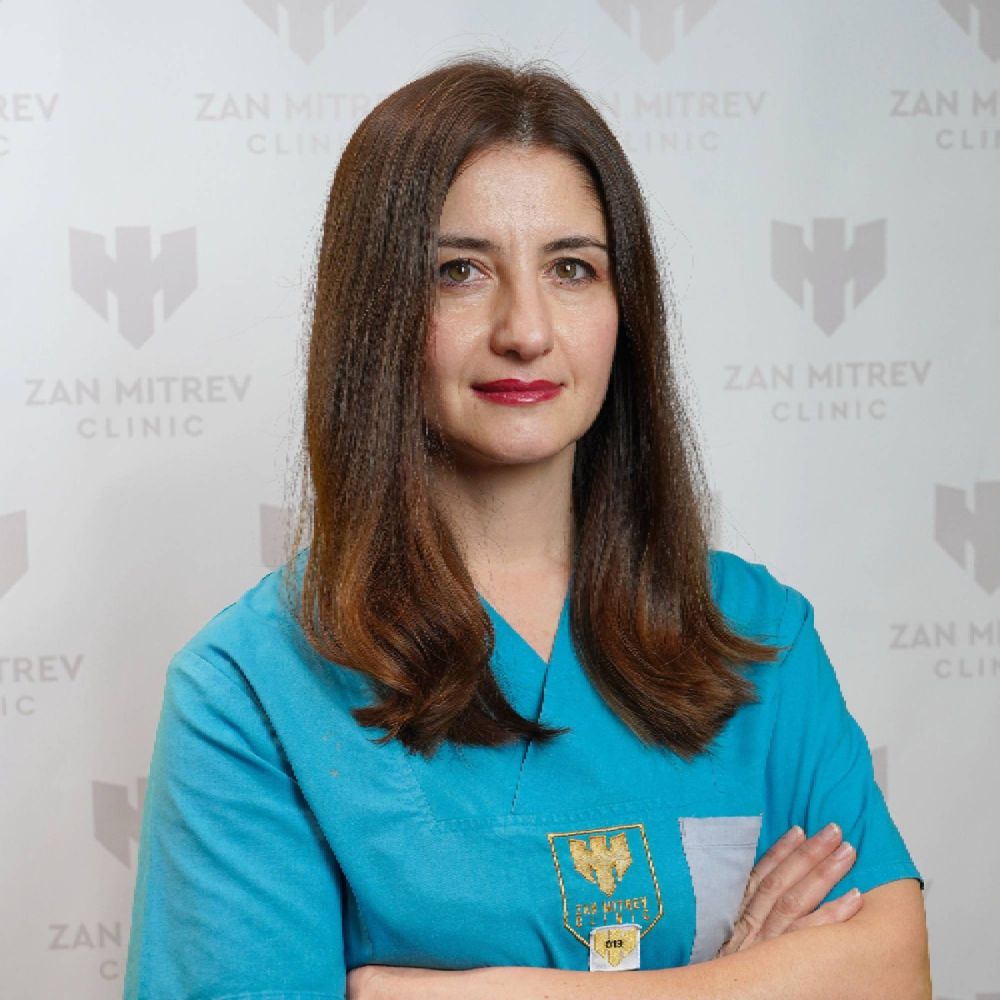
Center for Diagnostics and Laboratory Medicine, Center for Inpatient Care Anesthesia Intensive Care and Pain Management
Anesthesia Resuscitation and Intensive Care, Preoperative And Postoperative Care
Dr. Tanja Gramosli
Specialist in Anesthesiology and Intensive Care
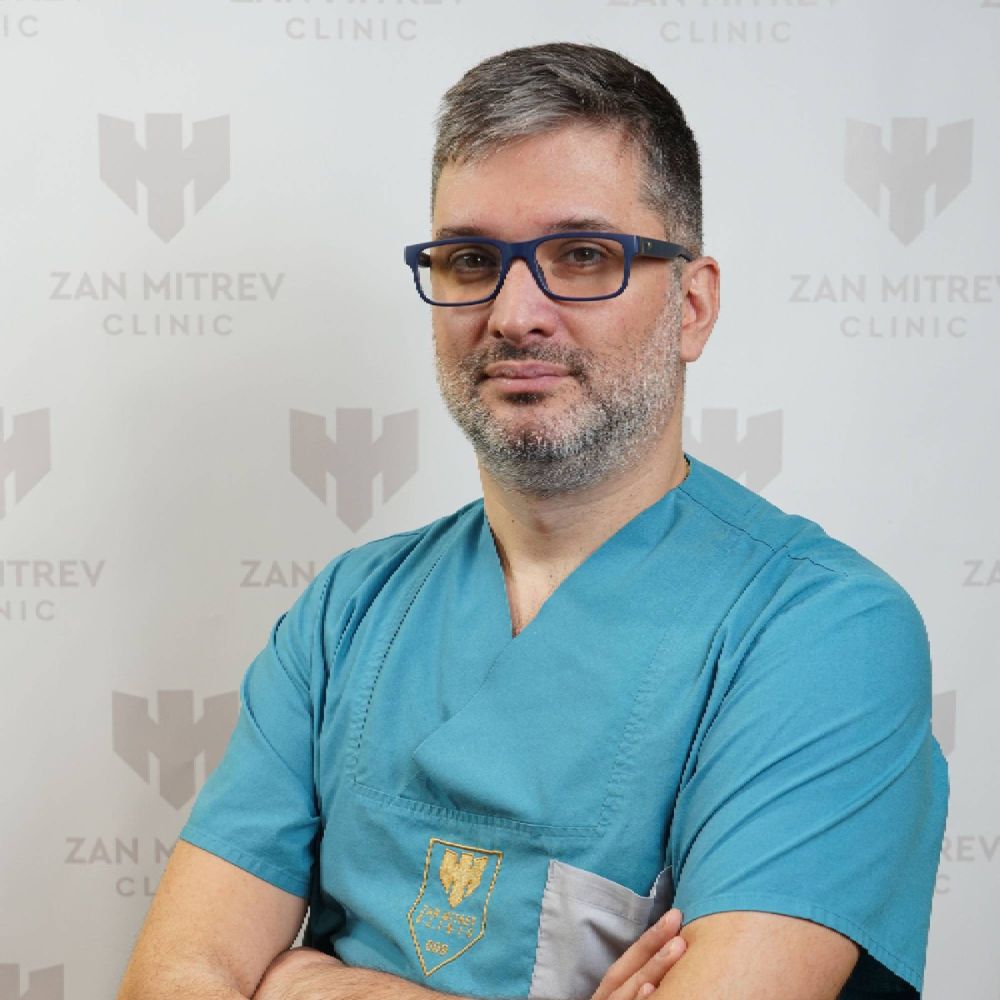
Center for Diagnostics and Laboratory Medicine, Center for Inpatient Care Anesthesia Intensive Care and Pain Management
Anesthesia Resuscitation and Intensive Care, Pain Management Center
Dr. Marko Gjorgon
Specialist in Anesthesiology and Intensive Care
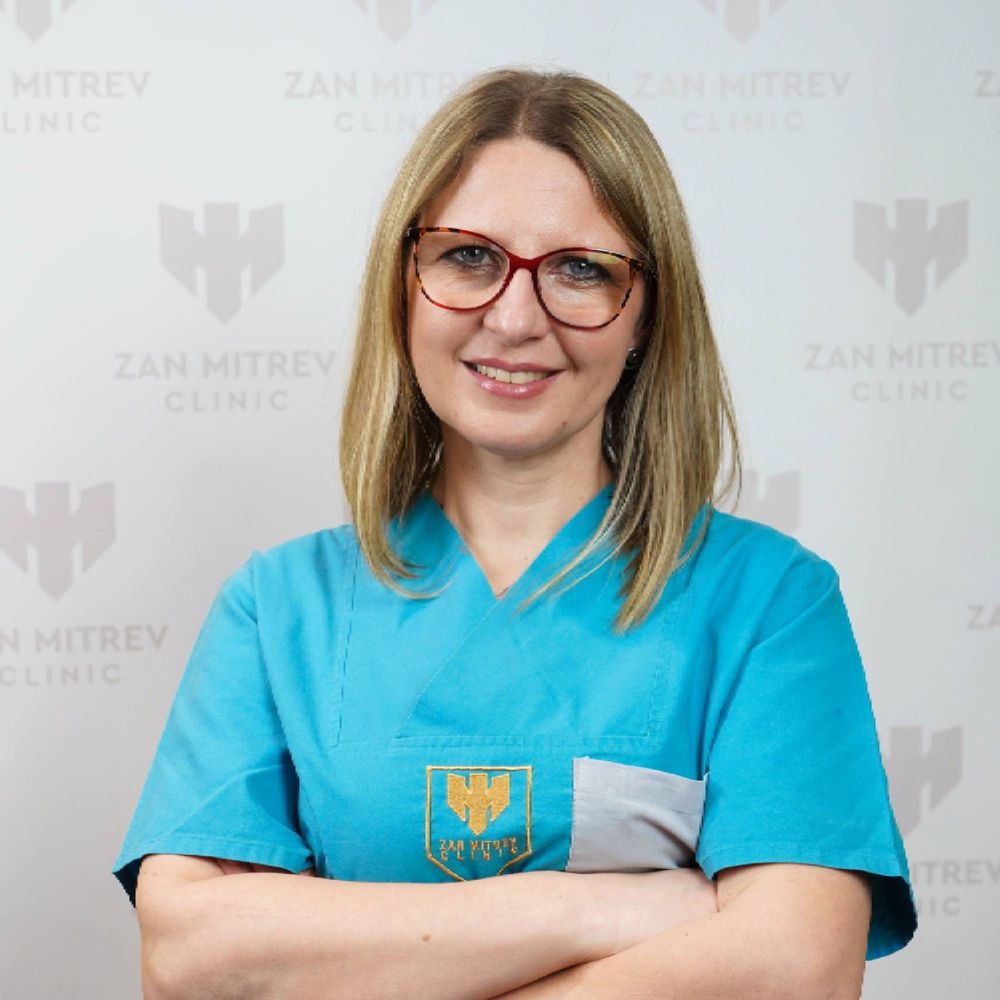
Center for Diagnostics and Laboratory Medicine, Center for Inpatient Care Anesthesia Intensive Care and Pain Management
Anesthesia Resuscitation and Intensive Care, Pain Management Center
Dr. Dragica Vezenkova-Vuchkova
Specialist in Anesthesiology and Intensive Care
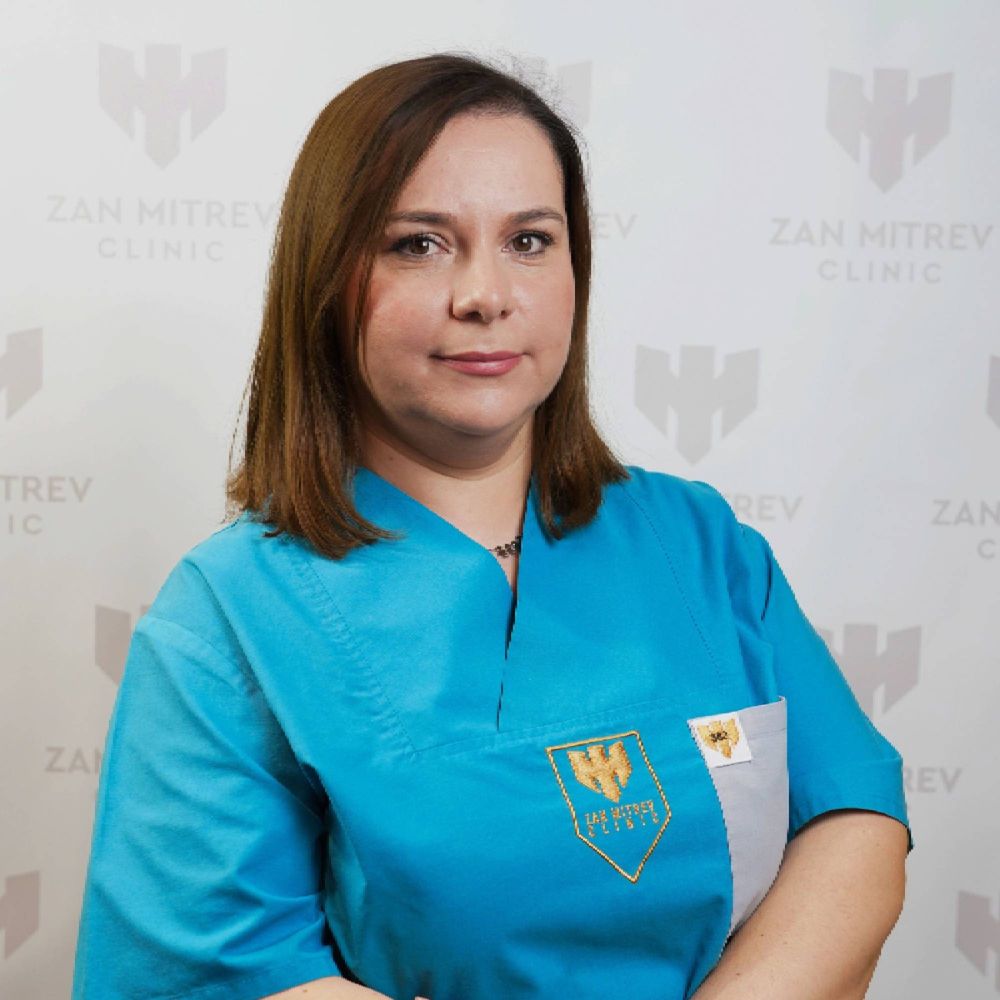
Center for Diagnostics and Laboratory Medicine, Center for Inpatient Care Anesthesia Intensive Care and Pain Management
Anesthesia Resuscitation and Intensive Care, Pain Management Center
Dr. Sanja Marinkovikj Bojadzievska
Specialist in Anesthesiology and Intensive Care

Center for Diagnostics and Laboratory Medicine, Center for Inpatient Care Anesthesia Intensive Care and Pain Management
Anesthesia Resuscitation and Intensive Care, Pain Management Center
Dr. Jovana Stojmenovikj
Resident in Anesthesiology and Intensive Medicine
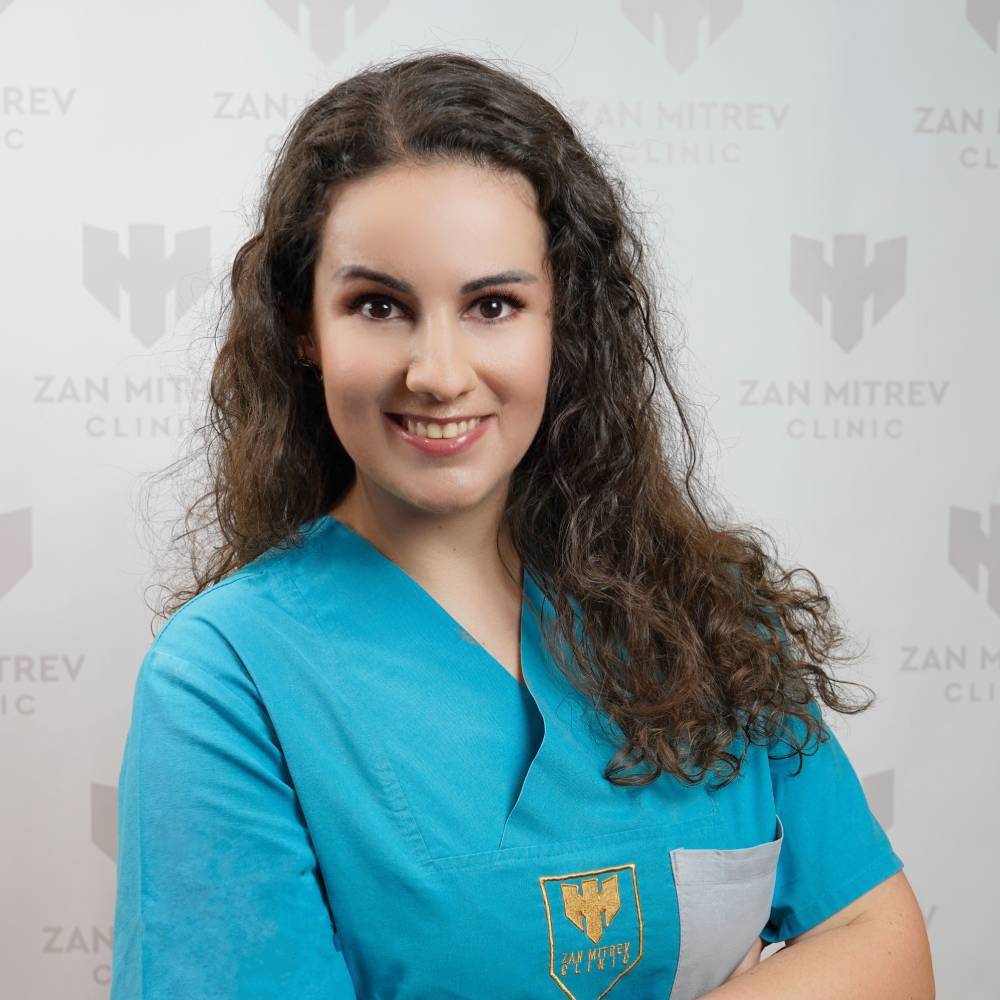
Center for Diagnostics and Laboratory Medicine, Center for Inpatient Care Anesthesia Intensive Care and Pain Management
Anesthesia Resuscitation and Intensive Care, Pain Management Center
Dr. Simona Despotovska
Resident in Anesthesiology and Intensive Medicine
