Cardiac Surgery
Modern surgical treatment of heart disease and aortic disorders, using both established and innovative techniques.
Department Overview
The Department of Cardiac Surgery provides modern surgical treatment of heart disease and aortic disorders, using both established and innovative techniques. The team performs conventional, minimally invasive, and hybrid procedures with the aim of ensuring safe treatment, faster recovery, and improved quality of life.
The department works in close collaboration with cardiologists, interventional cardiologists, anesthesiologists, perfusionists, and intensive care specialists through a multidisciplinary approach and an individualized plan for each patient.
Diseases and Conditions
The department diagnoses and treats:
Coronary artery disease and significant narrowing of the coronary arteries
Diseases of the heart valves – aortic, mitral, tricuspid, and pulmonary valve disease
Aortic aneurysms and dissections
Congenital heart defects in adults, children, and newborns
End-stage heart failure
Hypertrophic obstructive cardiomyopathy
Infective endocarditis
Cardiac tumors
Constrictive pericarditis and pericardial effusion
Ventricular aneurysms and other complex cardiac conditions
Diagnostics and Treatments
The department performs the full spectrum of cardiac surgery procedures:
Surgical improvement of the blood supply to the heart in patients with coronary artery disease. It is performed conventionally with extracorporeal circulation, off-pump, or through a minimally invasive approach without opening the chest.
For patients whose previous operation requires additional reconstruction or a new bypass.
Repair or replacement of heart valves, with the possibility of preserving the native valve whenever possible. Conventional, minimally invasive, and transcatheter procedures are performed.
Minimally invasive replacement of the aortic or mitral valve in patients with high surgical risk or in reoperations.
Treatment of aneurysms and dissections of the ascending aorta, aortic arch, and thoracic aorta, with the possibility of conventional and hybrid procedures.
A combined surgical and endovascular technique for treatment of complex aortic disease.
Implantation of LVAD, BVAD, ECMO, or a total artificial heart in patients with end-stage heart failure.
Surgical correction of complex congenital heart anomalies in children and adults, including Tetralogy of Fallot, coarctation of the aorta, ASD, VSD, and other conditions.
Surgical removal of myxoma, hydatid cysts, and other cardiac tumors, with reconstruction of the affected structures.
Technology and Equipment
The Department of Cardiac Surgery is equipped with state-of-the-art technology for performing complex cardiac operations, hybrid procedures, and postoperative intensive care. The equipment enables high precision, maximum safety, and continuous monitoring of patients throughout the entire treatment process.
Advanced operating theatre with complete equipment for different types of surgery
the operating theatre is designed for coronary, valvular, aortic, and combined cardiac surgical procedures. It is equipped with modern surgical systems, specialized instruments, and conditions suitable even for the most complex interventions.Latest-generation extracorporeal circulation systems (heart-lung machines)
these systems temporarily take over the function of the heart and lungs during surgery, allowing the surgical team to operate safely on the heart. The latest equipment provides precise control of circulation, oxygenation, and the patient’s body temperature.ECMO system for extracorporeal membrane oxygenation
used in patients with severe heart or lung failure when temporary mechanical support is required. ECMO enables stabilization of the patient before, during, or after cardiac surgery.Intraoperative invasive monitoring
during surgery, blood pressure, heart function, oxygen saturation, intracardiac pressures, and other vital parameters are continuously monitored. This allows timely intervention and maximum safety throughout the procedure.Intraoperative transesophageal echocardiography
a specialized echocardiographic method that provides detailed visualization of cardiac structures during surgery. This technology is used to verify the success of valve repair or replacement, heart function, and the final result of the procedure.Modern intensive care unit with continuous monitoring
after surgery, patients are admitted to a specialized intensive care unit where heart function, breathing, blood pressure, and other vital parameters are monitored 24 hours a day. The department is equipped with advanced ventilators, infusion systems, and emergency equipment for critically ill patients.Equipment for minimally invasive and hybrid procedures
the department has specialized equipment for minimally invasive surgery through small incisions, as well as for hybrid procedures combining surgical and catheter-based approaches. This results in less trauma, lower risk of complications, shorter hospital stay, and faster recovery.
Specialists
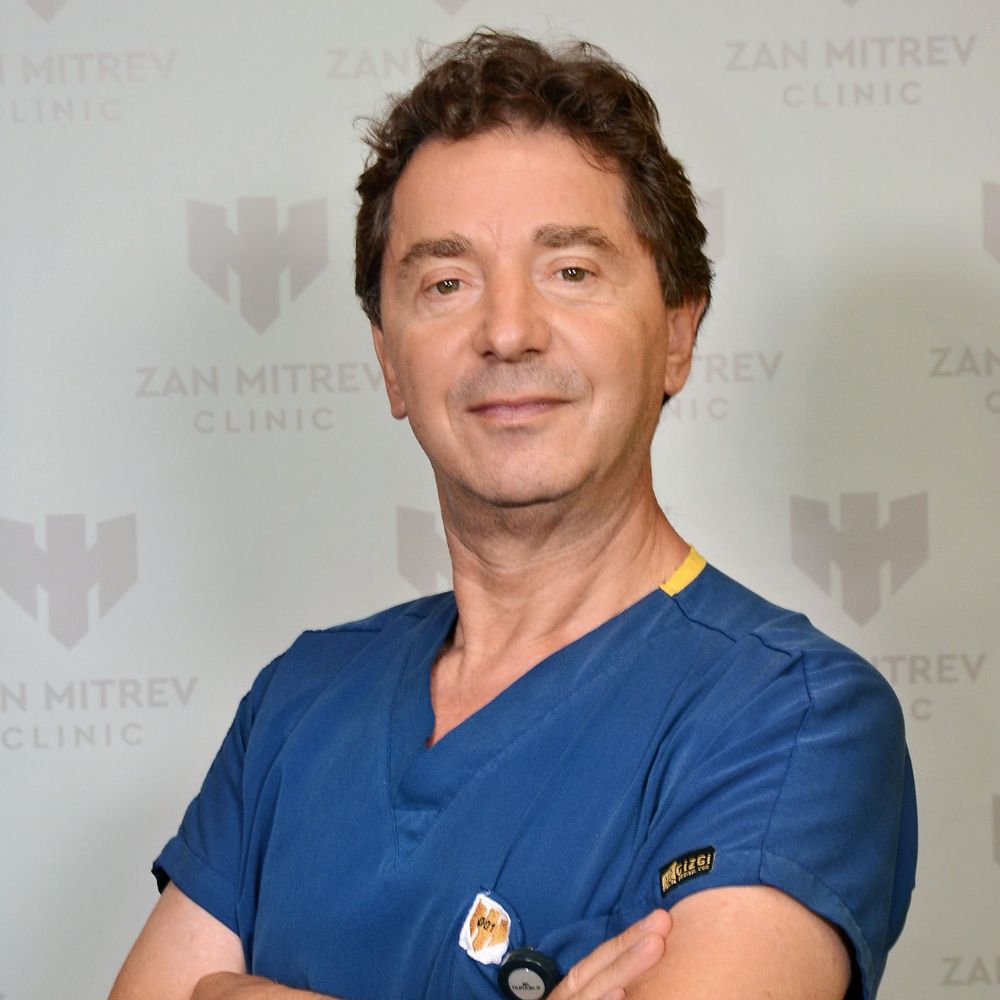
Zan Mitrev MD, PhD, FETCS
Cardiovascular surgeon
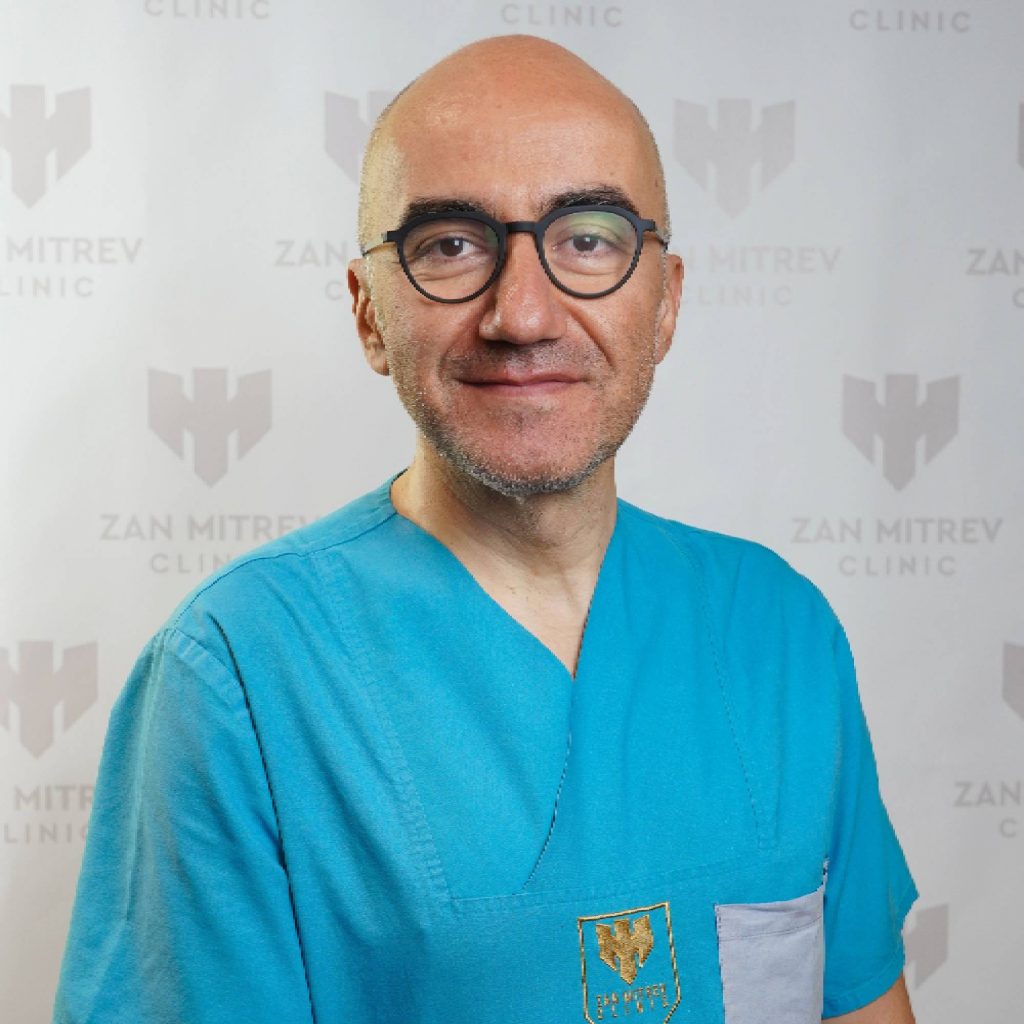
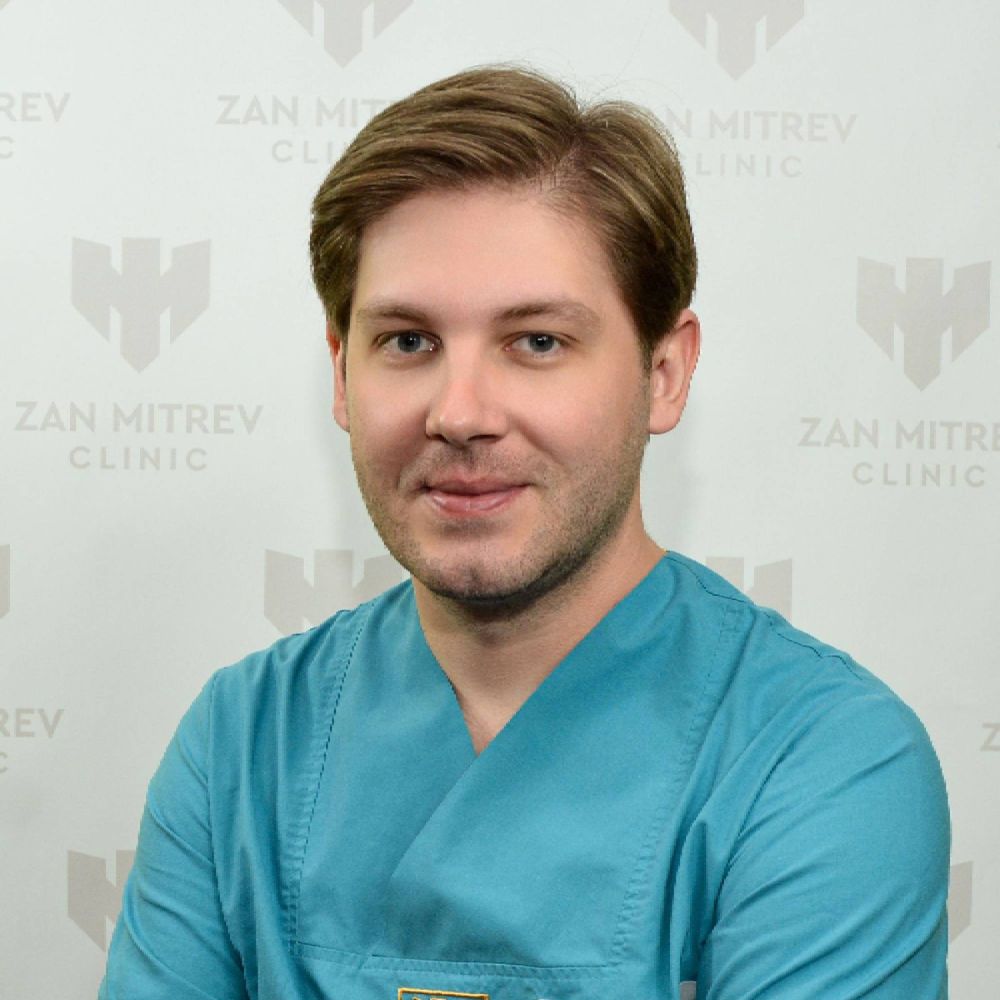
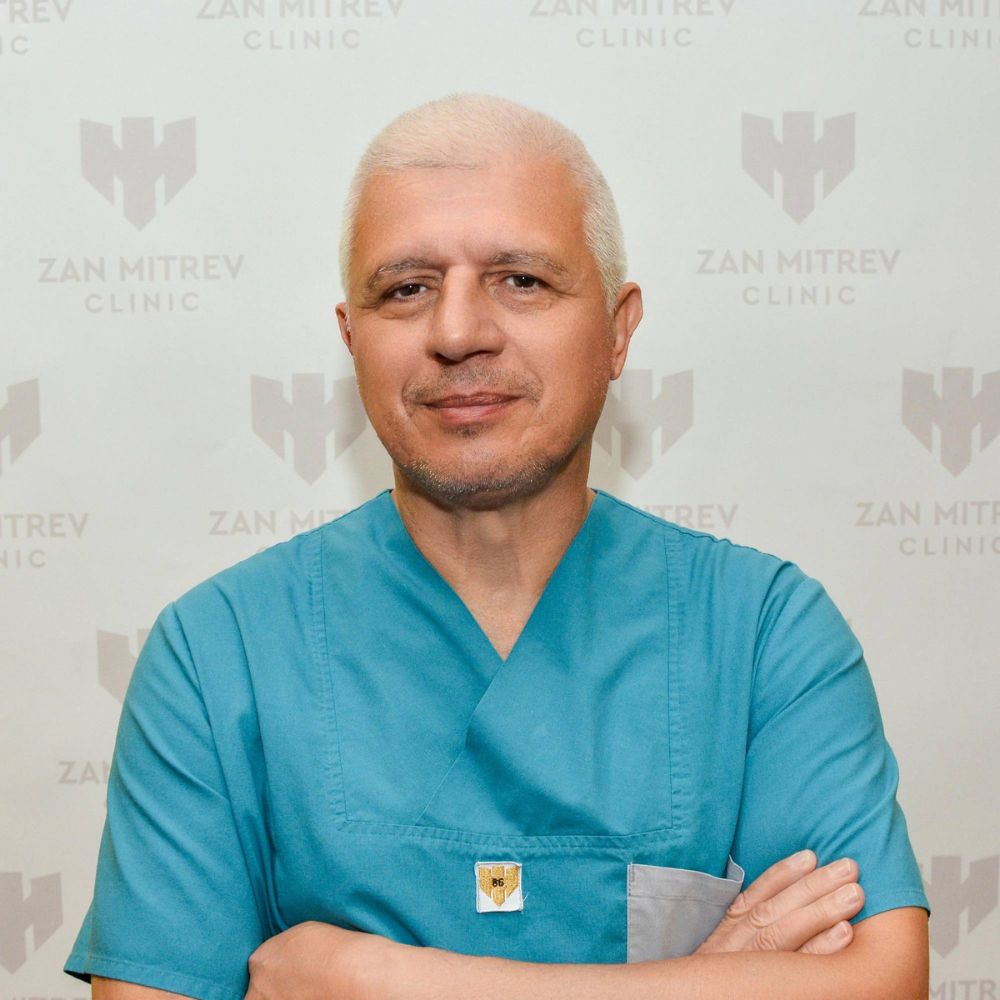
Dr. Nikola Hristov
Specialist in General Surgery
Subspecialist in Cardiovascular Surgery
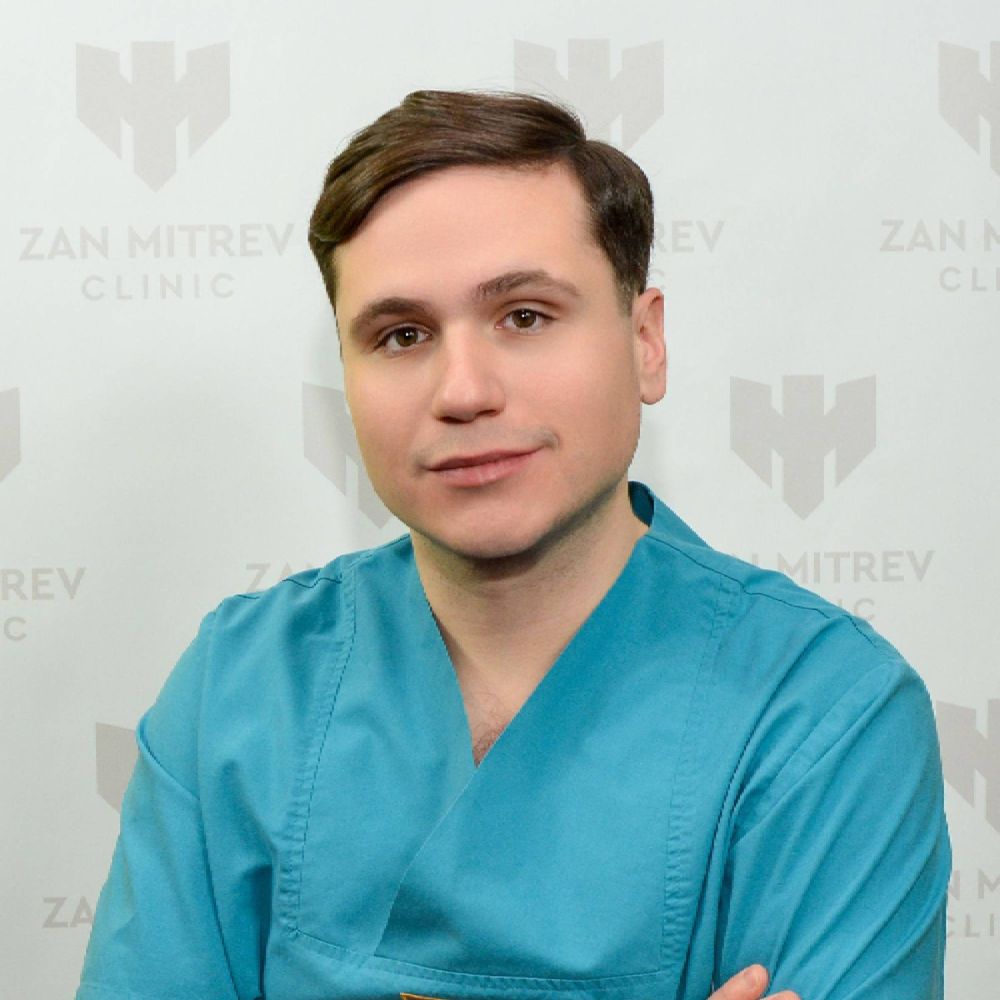
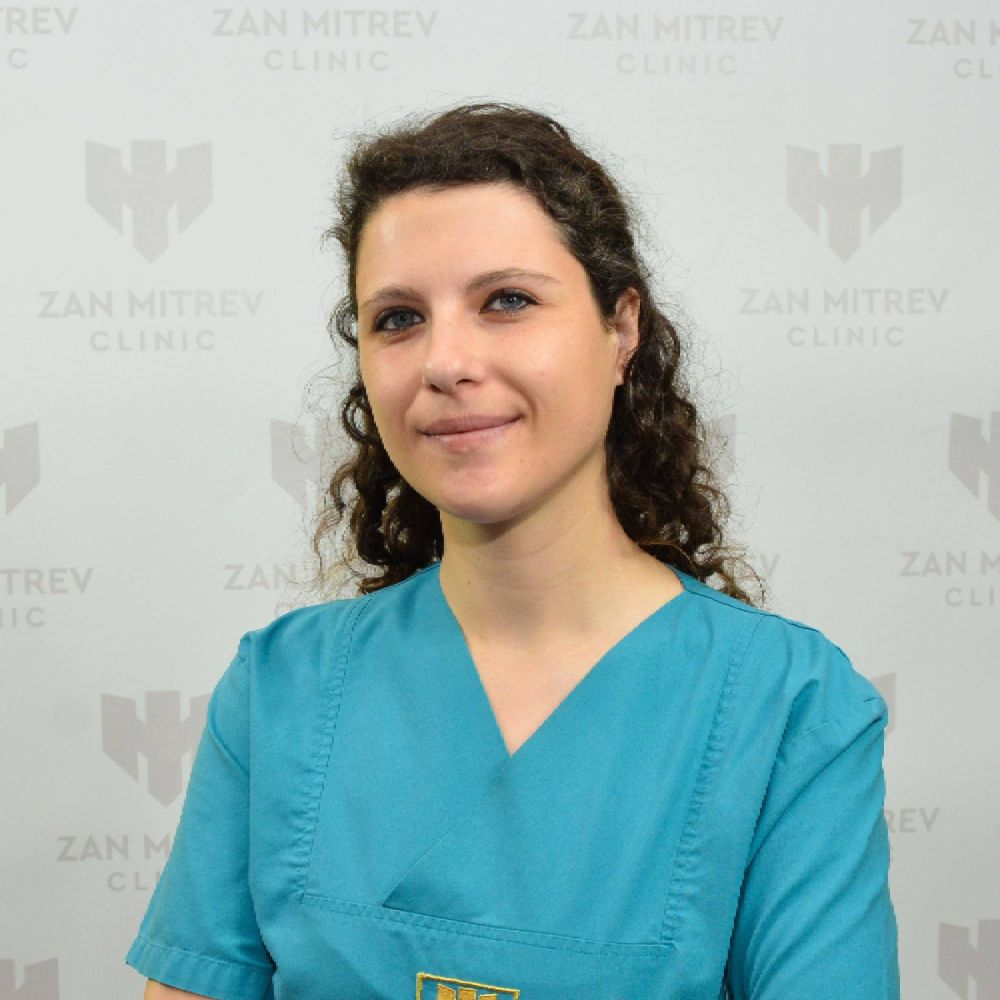
Dr. Predrag Milojevic
Specialist in General Surgery
Subspecialist in Cardiovascular Surgery
The team also includes anesthesiologists, perfusionists, cardiologists, and specialized nurses.
Patient Journey
Initial Specialist Consultation
Cardiology examination and echocardiographic evaluation to assess the heart condition.
Detailed Diagnostics
Coronary angiography, computed tomography, magnetic resonance imaging, cardiac catheterization, and TEE, according to the patient’s needs.
Heart Team Evaluation
A multidisciplinary team determines the most appropriate treatment for each patient.
Surgical Treatment
Preoperative preparation, discussion with the patient, and performance of the planned operation.
Intensive and Postoperative Care
Monitoring in the intensive care unit and gradual recovery until discharge.
Follow-Up and Rehabilitation
Regular cardiology check-ups and rehabilitation to support better recovery.