Interventional Radiology
Diagnosis and treatment of various diseases through minimally invasive procedures performed under CT or angiographic guidance.
Department Overview
Interventional Radiology is a modern branch of medicine that enables the diagnosis and treatment of various diseases through minimally invasive procedures performed under CT or angiographic guidance.
Using precise radiological navigation, interventions are carried out without conventional surgery, resulting in shorter recovery time, lower risk, and faster return to daily activities.
Diseases and Conditions
The department treats:
Vascular diseases
stenoses, aneurysms, and vascular malformationsOncological conditions
tumors and metastasesInfections and abscesses
requiring drainageSpinal disorders
disc herniation and pain syndromesGastrointestinal diseases
polyps and tumor formationsConditions requiring biopsy
for diagnostic confirmation
Diagnostics and Treatments
Interventions are performed under advanced radiological guidance, enabling precise targeting and safe performance of procedures.
The department uses minimally invasive techniques for both diagnostic and therapeutic purposes.
Non-Vascular Interventional Procedures
Precise positioning of the needle for sampling tissue from suspicious lesions, with minimal risk and high diagnostic accuracy.
Evacuation of abscesses and pathological collections by placement of a drain, while simultaneously obtaining material for analysis.
Application of corticosteroid and anesthetic near a nerve root to reduce pain and inflammation.
Administration of therapy directly into the intervertebral disc in cases of disc herniation, aimed at reducing pressure and symptoms.
Advanced 3D reconstruction of the colon with high resolution for early detection of polyps and tumors.
Vascular Interventional Procedures
Selective embolization of tumor vascularization with administration of therapeutic agents directly into the lesion
Placement of a stent to widen narrowed arteries and improve blood flow.
Endovascular repair of the abdominal aorta with implantation of a stent graft.
Minimally invasive treatment of aortic diseases in the thoracic segment.
Expansion of venous narrowing to improve venous flow.
Dynamic visualization of the venous system using contrast medium.
Precise imaging of fistulous tracts and their communication with surrounding structures.
Technology and Equipment
The department is equipped with advanced radiological and angiographic technology that enables high precision, safety, and minimal invasiveness of procedures:
Computed tomography (CT)
high-resolution imaging with the ability to precisely guide interventions in real time.Angiography suite
specialized environment for vascular procedures under fluoroscopic guidance.Fluoroscopy
continuous visualization of blood vessels and catheters during interventions.Contrast systems
enhanced visualization of vascular structures and organs.Catheterization systems
microcatheters, guidewires, and stents for precise endovascular navigation.3D reconstruction systems
advanced image processing for improved planning and performance of procedures.
This technology enables minimally invasive interventions with lower risk, shorter hospital stay, and faster recovery for patients.
Specialists
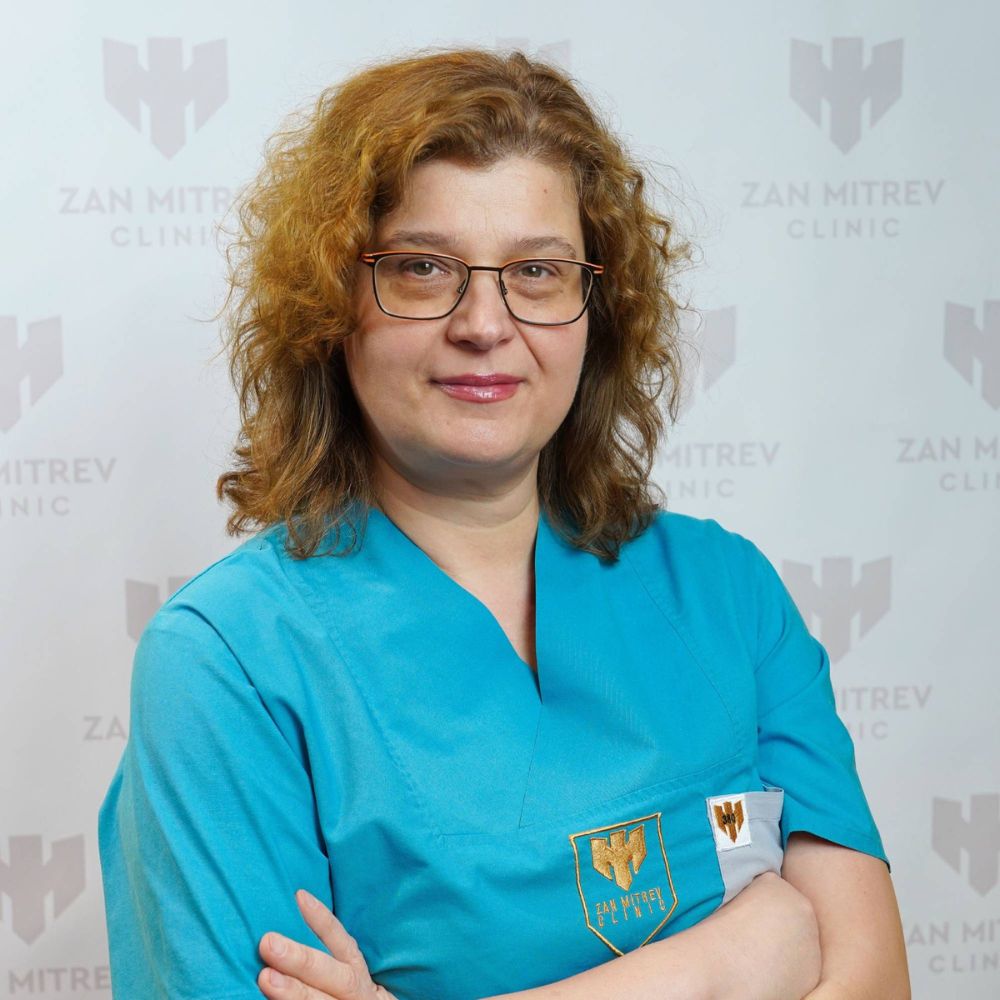
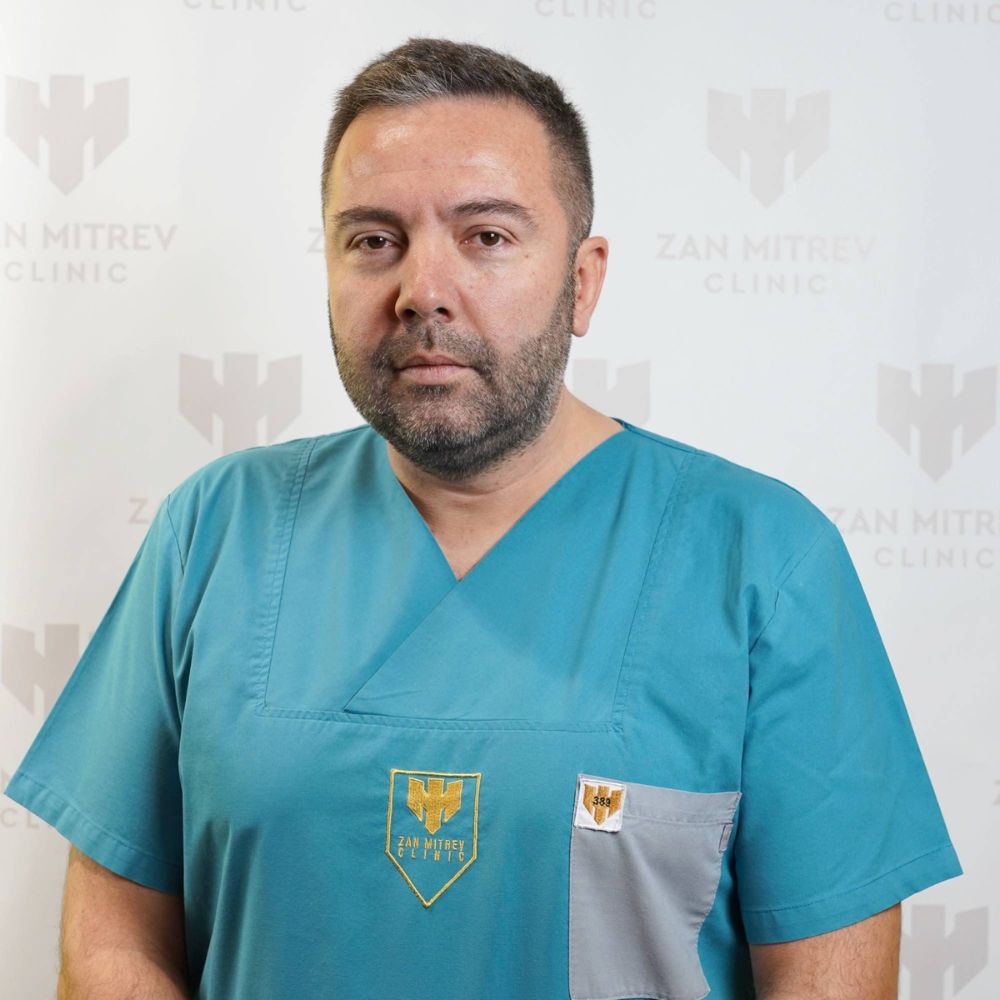
Dr. Vilma Ampova-Sokolov
Specialist in Internal Medicine
Subspecialist in Cardiology
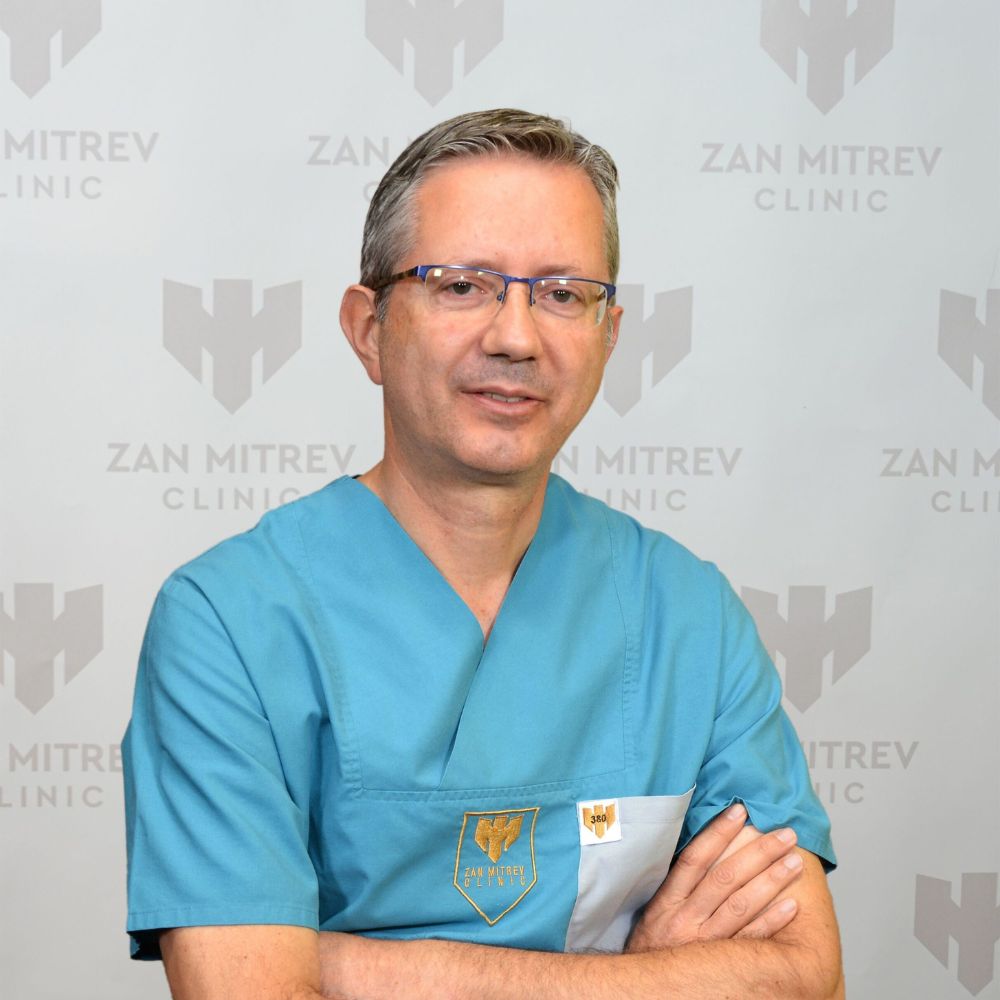
Dr. Ilija Neshkovski
Specialist in Internal Medicine
Subspecialist in Cardiology
Assoc. Prof. Dr. Oliver Bushletikj
Specialist in Internal Medicine
Subspecialist in Cardiology
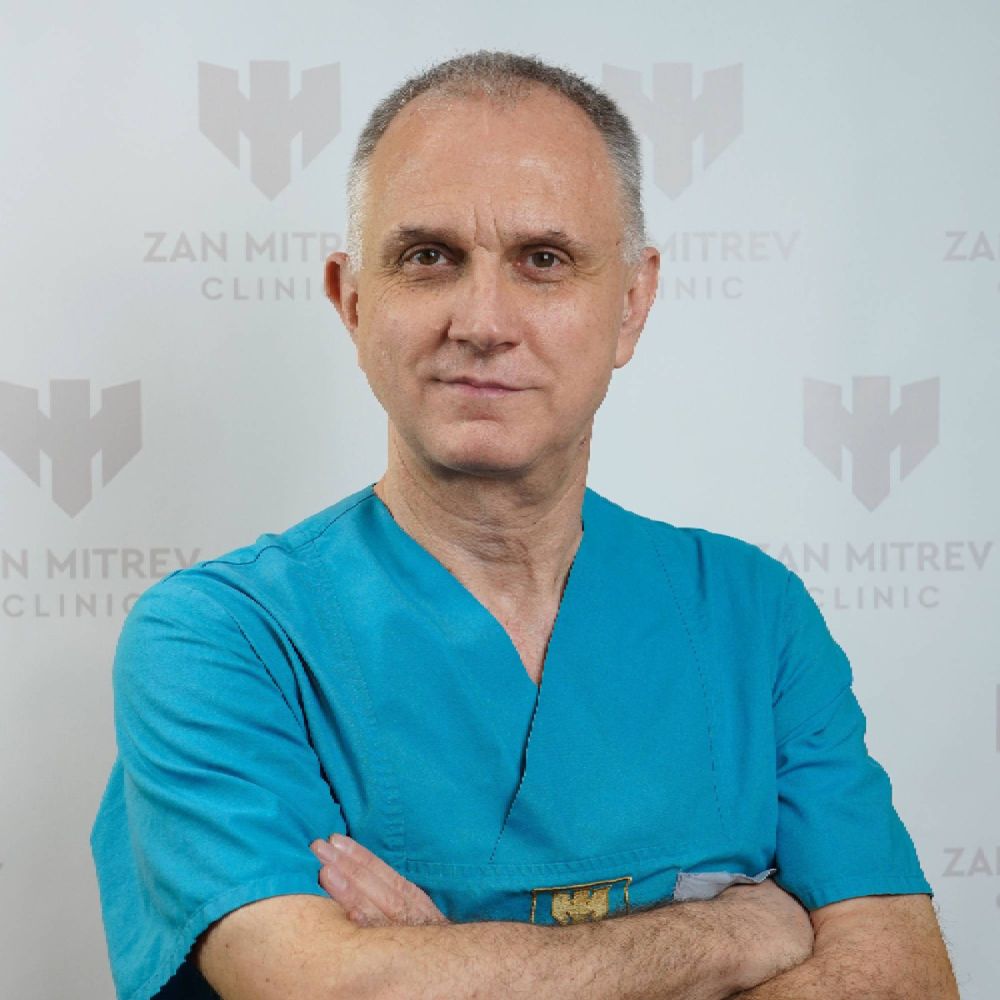
MSc. Dr. Zvonko Atanasov
Specialist in Radiodiagnostics
Subspecialist in Interventional Radiology
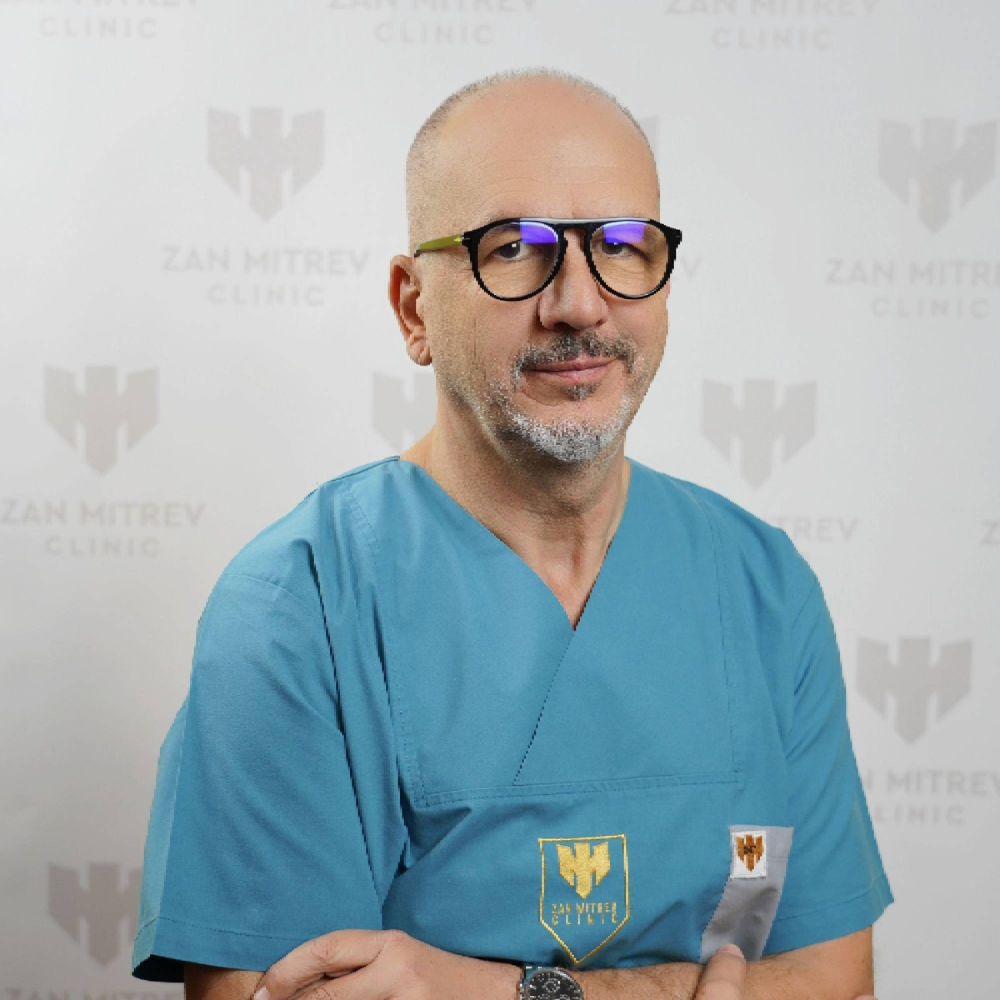
Dr. Afrim Halimi
Specialist in Radiodiagnostics
Patient Journey
Consultation
Assessment by a radiologist and indication for intervention.
Diagnostics
Selection of the appropriate procedure.
Intervention
Minimally invasive treatment.
Monitoring
Short post-procedural observation.
Discharge
Rapid return to everyday activities.