Ophthalmology
Diagnosis and treatment of eye diseases using modern equipment and standardized medical protocols.
Department Overview
The Department of Ophthalmology provides diagnosis and treatment of eye diseases using modern equipment and standardized medical protocols.
The work of the department is focused on early detection, accurate diagnosis, and appropriate treatment, with the goal of preserving and improving vision.
The department operates in collaboration with Promedika Ophthalmology, providing access to advanced ophthalmic technologies and an expanded range of diagnostic and therapeutic services.
Diseases and Conditions
The department diagnoses and treats:
Cataract
clouding of the natural lens leading to reduced visionGlaucoma
increased intraocular pressure with risk of damage to the optic nerveRetinal diseases
diabetic retinopathy and macular degenerationKeratoconus
changes in the structure of the corneaRefractive errors
myopia, hyperopia, and astigmatismStrabismus
impaired position and coordination of the eyesEyelid disorders
ectropion, entropion, and other conditions
Diagnostics and Examinations
The department uses modern ophthalmic examinations and diagnostic methods for assessment of the anterior and posterior segment of the eye, visual acuity, and the function of the optic nerve and retina.
Basic assessment of visual acuity, refractive error, intraocular pressure, and the condition of the anterior segment of the eye. The examination enables early detection of dry eye, inflammation, allergies, irritation, corneal changes, and other common eye conditions.
Detailed analysis of the anterior and posterior segment of the eye, including examination of the fundus and optic nerve. It is recommended for patients with changes in vision, chronic eye diseases, or suspected retinal and neurological changes.
Assessment of visual development, coordination of eye movements, eye position, accommodation, binocular, stereo, and color vision. The examination is particularly important for early detection of strabismus, hidden refractive errors, and disturbances in visual development.
Specialized assessment of the retina, macula, and optic nerve using OCT. It is used in patients with diabetes, macular degeneration, diabetic retinopathy, macular edema, and other diseases of the posterior segment of the eye.
Complete assessment in patients with complex symptoms or undiagnosed changes, including refraction, intraocular pressure, examination of the anterior and posterior segment, OCT, and B-scan ultrasound.
Preoperative assessment in patients with cataract, including measurement of vision, intraocular pressure, retinal examination, biometry, IOL Master, OCT, and corneal topography in order to select the most appropriate intraocular lens.
Detailed assessment of intraocular pressure, the anterior chamber angle, the optic nerve, and the visual field. It includes tonometry, pachymetry, gonioscopy, OCT, and visual field testing.
Assessment of the eyelids, periocular region, and tear ducts in patients with ectropion, entropion, drooping eyelids, and other abnormalities.
Precise determination of refractive error and recommendation for glasses or contact lenses.
Detailed visualization of the fundus, retina, and optic nerve using a specialized lens, particularly in patients with retinal diseases.
A diagnostic and therapeutic procedure in patients with blocked tear ducts, excessive tearing, redness, and discharge from the eye.
Treatments and Procedures
The department provides modern medical, laser, and surgical treatments adapted to the condition of each patient.
Laser vision correction
modern treatment for correction of myopia, hyperopia, and astigmatism, aimed at reducing or eliminating the need for glasses and contact lenses.Cataract surgery
removal of the clouded natural lens and implantation of an intraocular lens. The procedure is performed using modern microsurgical techniques and allows rapid improvement of vision.Intraocular lens (IOL) implantation
selection and implantation of monofocal, bifocal, or multifocal lenses according to the patient’s needs and expectations.Glaucoma treatment
medical, laser, or surgical treatment to reduce intraocular pressure and prevent damage to the optic nerve and loss of vision.Keratoconus treatment
monitoring and treatment of progressive thinning and deformation of the cornea, with an individualized approach and regular follow-up.Intravitreal therapy
administration of medication directly into the eye, most commonly anti-VEGF therapy, in patients with macular degeneration, diabetic macular edema, and other retinal diseases.Vitreoretinal surgery
surgical treatment of diseases of the retina and vitreous body, such as retinal detachment, bleeding, macular holes, and other complex conditions.Strabismus treatment
correction of eye position and coordination in children and adults, with the goal of improving vision and function.Oculoplastic procedures
surgical treatment of the eyelids, tear ducts, and periocular region.
Technology and Equipment
The department is equipped with modern ophthalmic technology for accurate diagnosis and safe treatment planning.
OCT (Optical Coherence Tomography)
enables detailed analysis of the retina, macula, and optic nerve, detecting changes that may not be visible during a standard examination.B-scan ultrasound
ultrasound assessment of the internal structures of the eye, particularly when direct examination is difficult due to cataract, bleeding, or other changes.IOL master
precise system for measuring the eye and calculating the most appropriate intraocular lens before cataract surgery.Corneal topography
analysis of the shape and surface of the cornea, important in the diagnosis of keratoconus, astigmatism, and planning of laser vision correction.Intraocular pressure measurement systems
modern systems for diagnosis and follow-up of glaucoma.Visual field systems
assessment of functional vision loss, particularly in patients with glaucoma and optic nerve disease.Operating microscope and microsurgical equipment
enable high precision during cataract surgery, retinal surgery, and other ophthalmic procedures.Modern laser systems
used for vision correction, glaucoma treatment, and retinal diseases.
These technologies enable early detection, high precision, and an individualized approach in every ophthalmic treatment.
Specialists
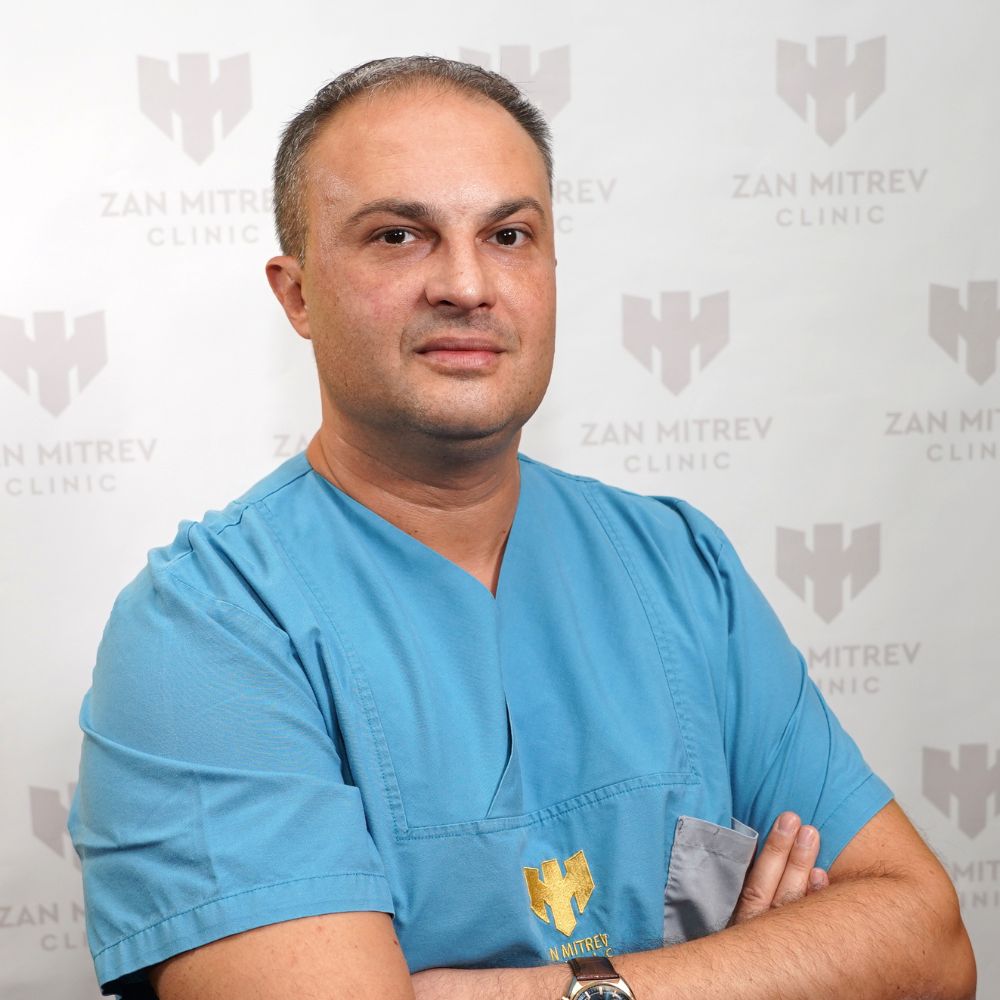
Dr. Zlatko Chipurovski
Specialist in Ophthalmology
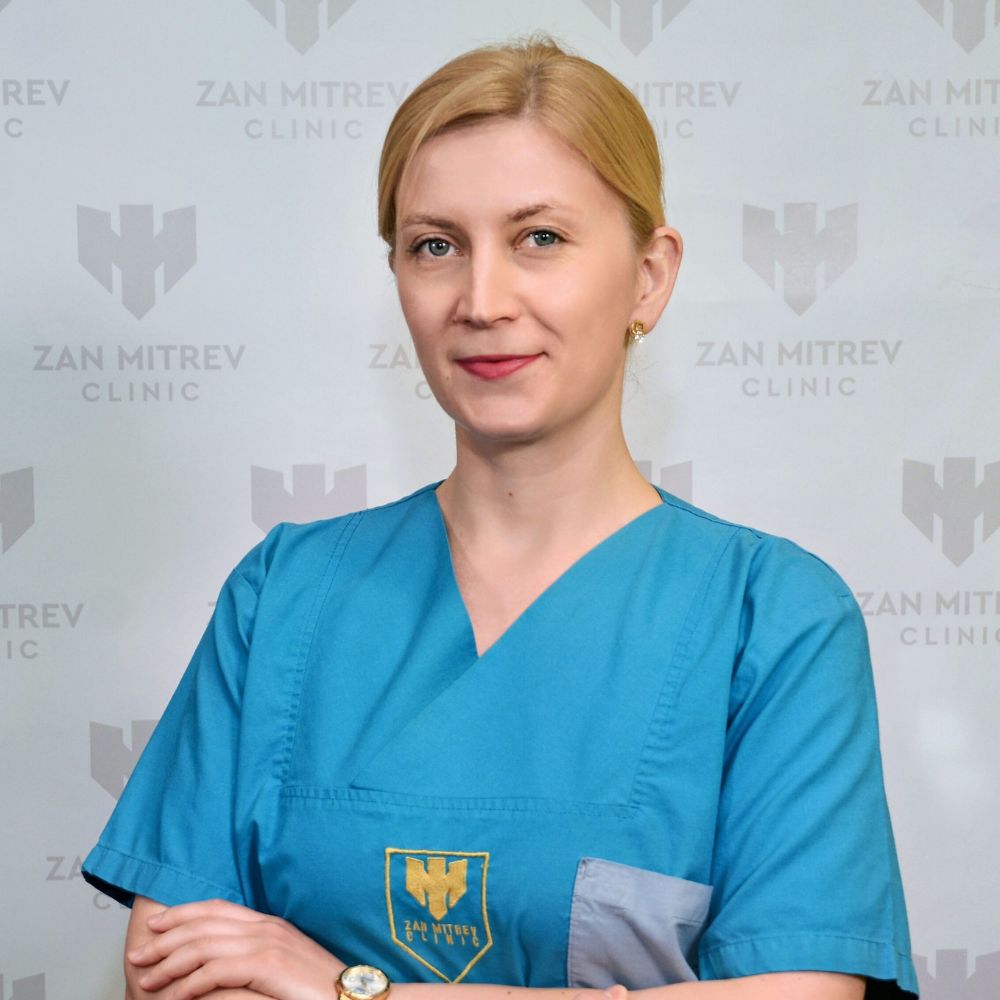
Dr. Maja Ivanova Cekov
Specialist in Ophthalmology
Patient Journey
Appointment
Selection of a suitable appointment.
Consultation
Assessment of symptoms.
Diagnostics
Performance of the required examinations.
Treatment Plan
Definition of the most appropriate therapy.
Follow-Up
Regular check-ups and further care.
