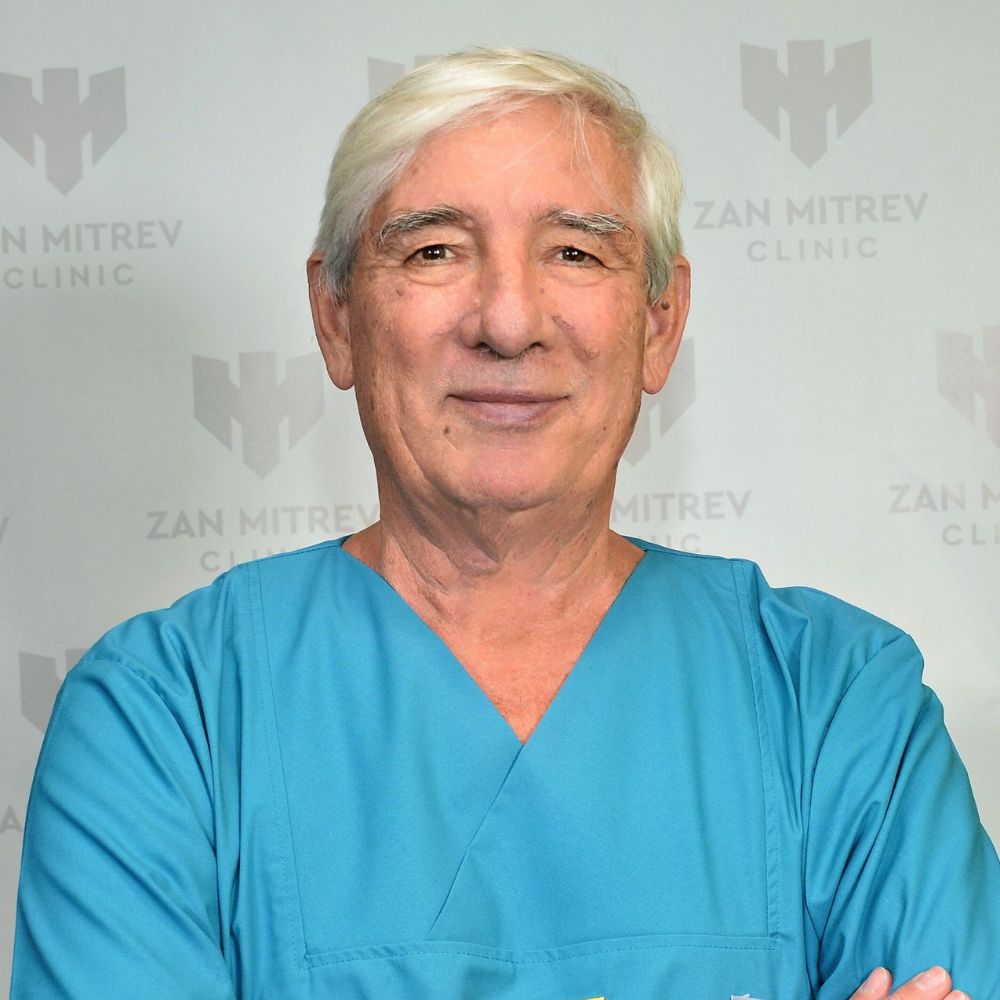
Gastroenterohepatology
Diagnosis and treatment of diseases of the digestive system, including the esophagus, stomach, intestines, liver, pancreas, and biliary system.
Department Overview
The Department of Gastroenterohepatology provides diagnosis and treatment of diseases of the digestive system, including the esophagus, stomach, intestines, liver, pancreas, and biliary system.
By using modern diagnostic methods and endoscopic procedures, the department enables early detection, precise diagnosis, and timely treatment of gastrointestinal diseases.
Diseases and Conditions
The department diagnoses and treats:
Inflammatory conditions – gastritis, colitis, and infections, including Helicobacter pylori
Ulcerative conditions – gastric and duodenal ulcers
Diseases of the large intestine – polyps, diverticula, and irritable bowel syndrome
Inflammatory bowel diseases – ulcerative colitis and Crohn’s disease
Hepatological diseases – liver diseases
Tumorous changes – of the esophagus, stomach, and colon
Hemorrhoidal disease
Diagnostics and Examinations
The department uses modern endoscopic and ultrasound methods for precise assessment of digestive system diseases:
Endoscopic examination of the esophagus, stomach, and duodenum, enabling detection of inflammation, gastritis, ulcers, bleeding, reflux disease, Helicobacter pylori infection, and tumors. The examination also allows biopsy collection for further analysis.
Examination of the colon and terminal ileum using a flexible endoscope. It enables detection of polyps, diverticula, inflammatory diseases, bleeding, and colorectal cancer. During the procedure, biopsies can be taken and polyps can be removed.
Examination of the final section of the large intestine and rectum, used in patients with bleeding, pain, hemorrhoids, or changes in bowel habits.
Specialist examination including ultrasound analysis of the abdominal organs, including the liver, gallbladder, bile ducts, pancreas, spleen, kidneys, urinary bladder, and prostate. It is used to assess inflammation, stones, cysts, fatty deposits, enlarged organs, and tumorous changes.
During endoscopic examinations, tissue samples can be taken from the mucosa for accurate diagnosis, especially in cases of inflammation, ulceration, polyps, and suspected malignancy.
These methods enable early disease detection, detailed assessment of the condition, and timely initiation of appropriate treatment.
Treatments and Interventions
The department provides modern conservative and endoscopic treatments:
Endoscopic interventions
during gastroscopy and colonoscopy, biopsies, polyp removal, bleeding control, dilation of strictures, and local application of therapy can be performed.Polypectomy
endoscopic removal of polyps from the colon or stomach to prevent the development of cancer.Medication treatment
individually tailored therapy for gastritis, ulcers, reflux disease, irritable bowel syndrome, diseases of the liver and pancreas, and inflammatory bowel diseases.Helicobacter pylori treatment
eradication of the infection through a specific combination of antibiotics and medications that reduce stomach acid.Treatment of inflammatory bowel diseases
therapy and monitoring for patients with ulcerative colitis and Crohn’s disease, aimed at controlling symptoms and preventing complications.Monitoring of chronic diseases
regular follow-up of patients with chronic gastritis, liver disease, inflammatory bowel disease, polyps, or previously diagnosed tumorous changes.Nutrition and lifestyle counseling
dietary recommendations, meal planning, and lifestyle changes for patients with gastrointestinal diseases.
Endoscopic procedures allow simultaneous diagnosis and treatment, significantly shortening the time needed to establish an accurate diagnosis and initiate therapy.
Technology and Equipment
The department is equipped with modern technology for endoscopic and ultrasound diagnostics:
Modern endoscopic systems
high-resolution gastroscopes, colonoscopes, and rectoscopes that enable precise visualization of the mucosa and early detection of abnormalities.Video endoscopy
a system for real-time display of the endoscopic image, with the possibility of magnification and detailed analysis of suspicious areas.Systems for biopsy and endoscopic interventions
specialized instruments for sample collection, removal of polyps, and therapeutic procedures.Ultrasound equipment
modern ultrasound systems for evaluation of abdominal organs and monitoring of diseases of the liver, gallbladder, pancreas, and other organs.Monitoring and sedation during endoscopic procedures
enables safe and comfortable performance of gastroscopy and colonoscopy under sedation, with continuous patient monitoring.
This equipment enables precise diagnostics, early disease detection, and minimally invasive interventions.
Patient Journey
Appointment
Scheduling an examination.
Consultation
Assessment of symptoms and medical history.
Diagnostics
Endoscopic and ultrasound examinations.
Treatment Plan
Individualized approach according to the diagnosis.
Follow-Up
Regular check-ups and long-term management of the condition.